Is Autism A Disability?: Dismantling Stigmas
Delve into the diverse world of autism, recognizing unique strengths and challenges. Uncover the broader conversation about neurodiversity and inclusion, aiming for a society that embraces differences and creates opportunities for all.

Is Autism A Disability?: Dismantling Stigmas
Understanding Autism
Autism is a complex neurodevelopmental condition that affects individuals in unique ways. To truly understand autism, it's important to delve into what it is and the spectrum it encompasses.
What is Autism?
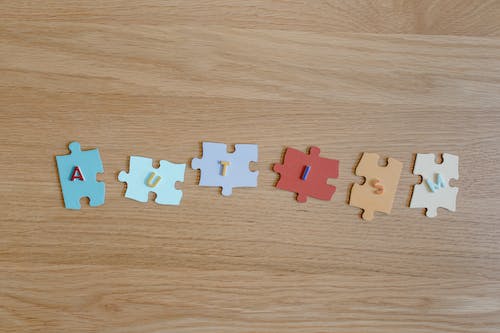
Autism, also known as Autism Spectrum Disorder (ASD), is a lifelong condition that affects how a person interacts and communicates with others. It is characterized by a range of challenges in social interaction, communication, and repetitive behaviors or restricted interests. These challenges can vary widely from person to person, making each individual's experience with autism unique.
People with autism may have difficulty understanding and expressing emotions, maintaining eye contact, engaging in reciprocal conversations, and interpreting nonverbal cues. They may also have a tendency to engage in repetitive behaviors or have intense interests in specific topics.
That autism is not a disease or an illness that can be cured. Rather, it is a natural variation of the human brain that contributes to the diverse fabric of society. Autism is not an indicator of a person's intelligence or potential, as individuals with autism can possess a wide range of abilities and talents.
The Spectrum of Autism
Autism exists on a spectrum, often referred to as the autism spectrum. This spectrum encompasses a wide range of characteristics, abilities, and challenges that individuals with autism may experience. Some individuals may require significant support in their daily lives, while others may be more independent.
The autism spectrum includes various diagnoses such as autistic disorder, Asperger's syndrome, and pervasive developmental disorder not otherwise specified (PDD-NOS). However, with the introduction of the Diagnostic and Statistical Manual of Mental Disorders (DSM-5), these separate diagnoses have been consolidated into one umbrella term: Autism Spectrum Disorder (ASD).
The spectrum recognizes that autism is a diverse and complex condition, with individuals exhibiting a wide range of strengths and challenges. Some individuals may have exceptional abilities in areas such as mathematics, music, or visual arts, while others may require support in areas such as social communication or sensory sensitivities.
Understanding the nuances of autism and recognizing the unique strengths and challenges of each individual is vital in promoting inclusivity and providing appropriate support.
Debating Disability
When it comes to understanding autism, one of the key areas of debate revolves around whether autism should be considered a disability. This discussion is essential in shaping perceptions and providing support for individuals on the autism spectrum. Let's explore the different perspectives on autism as a disability and the ongoing debate between the Medical Model and the Neurodiversity Model.
Perspectives on Autism as a Disability
The question of whether autism is a disability is a complex and multifaceted one. Different perspectives exist, each offering unique insights into the nature of autism. Some individuals and organizations view autism primarily as a disability, emphasizing the challenges faced by individuals on the spectrum. They highlight the need for support and accommodations to help individuals with autism navigate daily life effectively.
On the other hand, there is an emerging perspective known as the Neurodiversity Model that challenges the traditional view of autism as a disability. This model emphasizes the diversity of neurological conditions and promotes the acceptance of neurological differences, including autism.
It posits that autism is a natural variation of human neurology and should be celebrated rather than pathologized. Proponents of the Neurodiversity Model advocate for society to embrace and accommodate the unique strengths and perspectives of individuals on the autism spectrum.
The Medical Model vs. the Neurodiversity Model
The debate between the Medical Model and the Neurodiversity Model represents contrasting viewpoints on autism as a disability.
The Medical Model views autism primarily as a medical condition or disorder that requires treatment and intervention. It focuses on identifying and addressing the deficits and challenges associated with autism.
This approach often emphasizes the need for therapies, interventions, and support services to help individuals with autism manage their difficulties and improve their overall functioning. The Medical Model aims to minimize the impact of autism on an individual's daily life and promote their integration into society.
In contrast, the Neurodiversity Model shifts the focus away from the concept of disability and instead celebrates the unique strengths and abilities of individuals on the autism spectrum. It recognizes that autism is not inherently a problem to be fixed or cured but rather a part of human diversity.
The Neurodiversity Model advocates for creating inclusive environments that value and accommodate the needs and perspectives of individuals with autism. This approach aims to empower individuals on the spectrum and promote their self-advocacy.
Understanding the perspectives of both the Medical Model and the Neurodiversity Model is crucial in shaping societal attitudes and practices toward individuals with autism. It is important to recognize that autism is a spectrum, and experiences can vary widely. The ongoing debate surrounding autism as a disability serves as a reminder of the need for continued dialogue, acceptance, and support for individuals on the autism spectrum.
Autism and Disability
Autism is a condition that can present various challenges and impact daily life for individuals on the autism spectrum. In this section, we will explore the challenges of autism and its impact on daily life.
The Challenges of Autism
Autism is characterized by difficulties in social interaction, communication, and repetitive patterns of behavior. These challenges can manifest differently in each individual, and the severity of symptoms can vary significantly. Some common challenges faced by individuals with autism include:
- Social Interaction: Individuals with autism may struggle with social cues, nonverbal communication, and forming and maintaining relationships. They may find it challenging to understand and respond to the emotions and intentions of others.
- Communication: Communication difficulties can range from delayed speech development to difficulty understanding and using verbal and nonverbal language. Some individuals with autism may rely on alternative communication methods, such as sign language or augmentative and alternative communication devices.
- Sensory Sensitivities: Sensory sensitivities are common in individuals with autism. They may experience heightened sensitivity or hypo-sensitivity to sensory inputs, such as touch, sound, light, taste, or smell. This can result in discomfort or distress in certain environments or situations.
- Repetitive Behaviors: Many individuals with autism engage in repetitive behaviors, often referred to as "stimming." These behaviors can include hand-flapping, rocking, or repeating certain words or phrases. These behaviors can serve as self-soothing mechanisms or ways to cope with sensory overload.
The Impact on Daily Life
The challenges associated with autism can have a significant impact on daily life for individuals on the autism spectrum. Some key areas where individuals with autism may experience difficulties include:
- Education: In educational settings, individuals with autism may require accommodations or specialized support to meet their unique learning needs. This can include individualized education plans (IEPs), specialized instruction, and additional support from special education professionals.
- Employment: Finding and maintaining employment can be challenging for individuals with autism due to the social and communication difficulties they may experience. However, with appropriate support and accommodations, many individuals with autism are capable of thriving in the workforce.
- Daily Living Skills: Individuals with autism may face difficulties with daily living skills, such as personal hygiene, time management, and organization. Learning and practicing these skills may require additional support and guidance from caregivers or professionals.
- Independence: Achieving independence can be a goal for individuals with autism. However, the challenges they face may impact their ability to live independently. Support and interventions focused on developing life skills can assist individuals with autism in gaining greater independence.
While autism presents challenges, individuals on the autism spectrum also possess unique strengths and abilities. By understanding and addressing the challenges they face, we can work towards creating an inclusive society that recognizes and values the contributions of individuals with autism.
Recognizing Abilities
When discussing autism, it is essential to shift the focus from disabilities to abilities. Recognizing the strengths and unique talents of individuals with autism is crucial for fostering a more inclusive and accepting society. By embracing the concept of neurodiversity, we can celebrate the diverse range of abilities and perspectives that individuals with autism bring to the table.
Shifting the Focus to Strengths
Autism is characterized by a wide spectrum of traits and abilities. While individuals with autism may face challenges in certain areas, they often possess exceptional abilities in others. By shifting our focus to their strengths, we can create a more positive and empowering environment for individuals with autism.
Some common strengths associated with autism include:
By recognizing and nurturing these strengths, we can provide individuals with autism the opportunity to thrive and contribute their unique talents to society.
Embracing Neurodiversity
Neurodiversity is a concept that recognizes and values the diversity of neurological differences, including autism. It promotes the idea that neurological variations are natural and should be respected and accepted, just like any other form of diversity.
Embracing neurodiversity means acknowledging that autism is not a disorder or something that needs to be fixed, but rather a natural variation of the human experience. It encourages society to create inclusive environments that celebrate the strengths and abilities of individuals with autism, while providing the necessary support and accommodations when needed.
By embracing neurodiversity, we can foster a society that appreciates the unique contributions of individuals with autism, promoting their well-being and enabling them to reach their full potential.
In conclusion, recognizing and valuing the abilities of individuals with autism is vital for creating an inclusive society. By shifting the focus from disabilities to strengths, and embracing the concept of neurodiversity, we can promote acceptance, understanding, and empower individuals with autism to lead fulfilling lives.
Support and Empowerment
When it comes to autism, support and empowerment play a crucial role in ensuring individuals with autism can lead fulfilling lives. Advocacy for individuals with autism aims to raise awareness, provide resources, and promote inclusivity. Additionally, promoting inclusion and accessibility helps create a more inclusive society that embraces the diversity of neurodiverse individuals.
Advocacy for Individuals with Autism
Advocacy for individuals with autism involves speaking up for their rights, needs, and well-being. Advocates work to raise awareness about autism, educate the public, and challenge misconceptions. They strive to ensure that individuals with autism have access to appropriate education, healthcare, and support services.
Advocacy can take various forms, such as lobbying for policy changes, organizing awareness campaigns, and supporting initiatives that promote inclusivity. By amplifying the voices of individuals with autism and their families, advocates work towards creating a more inclusive and accepting society.
Promoting Inclusion and Accessibility
Promoting inclusion and accessibility is essential to ensure that individuals with autism have equal opportunities to participate in all aspects of life. Inclusive environments value diversity and provide support to accommodate the needs of individuals with autism.
In education, promoting inclusion involves creating inclusive classrooms where students with autism have access to appropriate support services and accommodations. This allows them to fully participate in educational activities and reach their potential.
In the workplace, promoting inclusion means creating an environment that embraces the unique strengths and abilities of individuals with autism. Employers can provide reasonable accommodations, such as flexible work schedules or workplace modifications, to ensure individuals with autism can thrive in their jobs.
In public spaces, promoting accessibility involves removing physical and social barriers that may hinder individuals with autism from fully participating in society. This could include providing sensory-friendly spaces, clear communication strategies, and training for staff to ensure they can support individuals with autism effectively.
By advocating for individuals with autism and promoting inclusion and accessibility, we can create a more inclusive society that embraces the unique abilities and contributions of neurodiverse individuals. It is through these efforts that we can empower individuals with autism to live fulfilling lives and reach their full potential.
Summary
In wrapping up our exploration of whether autism is considered a disability, it's important to recognize the diversity within the autism spectrum. While some individuals may face challenges that fit the traditional definition of a disability, it's equally crucial to appreciate the unique strengths and talents that many people with autism bring to the table.
The concept of disability can be complex and fluid, and it's essential to approach it with sensitivity and an understanding that each person's experience is distinct. Embracing neurodiversity and fostering inclusion can help create a world where everyone, regardless of their neurodevelopmental profile, can thrive and contribute in their own meaningful way.
As we continue to learn more about autism, let's strive for a society that celebrates differences and focuses on creating opportunities for everyone to lead fulfilling lives.
Sources
Frequently Asked Questions

Discovering the Link Between Autism and Yoga
Unveiling the powerful link between autism and yoga. Discover how yoga positively impacts social skills and sensory processing.

Coping with Autism and Self-Harm
Empower individuals with autism: coping with self-harm and finding support. Discover personalized approaches and intervention strategies.

Communication Difficulties In Autistic Children
Explore the human side of communication difficulties in autistic children. Beyond challenges, discover stories of resilience, creativity, and the unique ways families connect.

Breaking Down Barriers: Confronting Autism Stigma
Confronting autism stigma head-on. Unveiling misconceptions, supporting advocacy, and shifting societal perceptions.

BCBA vs. RBT: Comparing Certifications in Behavior Analysis
BCBA vs. RBT: Choosing the right certification in behavior analysis. Compare education, responsibilities, and job demand.
.jpg)
Autism Prevalence Increases in Arizona
According to recent studies, the prevalence of autism is increasing globally, and Arizona is no exception. In this article, we will explore the reasons behind the increase in autism prevalence in Arizona and what it means for families and communities.
.jpg)
Autism Prevalence in Virginia: How Many People Have Autism in Virginia
In Virginia, the prevalence of autism is slightly higher than the national average. Let's take a closer look at the statistics and factors that contribute to autism prevalence in Virginia.
.jpg)
Autism In The United States
According to the Centers for Disease Control and Prevention (CDC), about 1 in 36 children in the United States is diagnosed with autism spectrum disorder (ASD). In this article, we'll explore what autism is, the prevalence of autism in the United States, and how we can support the autism community.
.jpg)
Autism In Boys vs. Girls: Understanding the Differences
Research suggests that there are differences in how ASD affects boys and girls. In this article, we will explore those differences and what they mean for parents and caregivers.
.jpg)
Autism in 4 Year Olds: Signs and Symptoms
Autism is a neurodevelopmental disorder that affects communication, social interaction, and behavior. In this article, we will discuss the signs and symptoms of autism in 4 year olds, and what you can do if you suspect your child may have autism.
.jpg)
Autism Evaluation: Screening And Diagnosis
Early intervention can help your child get the support they need to thrive. In this blog, we will explore what an autism evaluation entails, who should get evaluated, and what to expect during the process.
.jpg)
Autism Diagnostic Criteria (DSM-5)
The DSM-5 criteria for diagnosing ASD include two main categories: social communication/interaction deficits and restricted/repetitive behaviors. Under each category, there are several specific symptoms that must be present for a diagnosis of ASD.
.jpg)
Autism Diagnosis Code: What You Need to Know
The autism diagnosis code is a five-digit number from the International Classification of Diseases, 10th Revision (ICD-10). For autism spectrum disorder, the code is F84.0. Other codes are used for related conditions, such as F84.1 for atypical autism and F84.5 for Asperger's syndrome. ##
%20(1).jpg)
Autism Awareness Month: Everything You Need to Know
The prevalence of autism has increased significantly over the past two decades, making it more important than ever to raise awareness and promote acceptance.

Autism and Lifespan Explained: Navigating the Controversy
Unveiling the controversy: Does autism impact lifespan? Explore factors influencing health and social implications.
.jpg)
Assessments for Autism: What You Need to Know
Assessments for autism are designed to identify the presence of autism spectrum disorder (ASD) and provide recommendations for treatment and support. In this article, we'll explore everything you need to know about assessments for autism.

Age Limit for ABA Therapy in New Mexico Explored
Explore the age limit for ABA therapy in New Mexico. Discover regulations, benefits of early intervention, and alternatives to consider.

ABA Therapy vs Occupational Therapy: Decoding the Differences
Decoding the differences: ABA therapy vs occupational therapy. Unveiling the unique approaches for personalized treatment.

ABA Therapy Training for Empowered Parents
Empower yourself with ABA therapy training for parents. Unlock the potential of your child with autism.

ABA Behavior Modification
Discover the power of ABA behavior modification! Dive into techniques, applications, and the effectiveness of this approach.

A Clear Path to Progress: Dissecting Discrete Trial Training in ABA
Unlock the power of Discrete Trial Training in ABA! Discover the benefits, implementation strategies, and real-life applications. Learn more now!

Unlocking Independence: Essential Autism Life Skills for Success
Unlock independence with essential autism life skills! Learn how to develop executive functioning, daily living, and occupational skills for success.
.jpg)
What Is The Autism Wheel?
The Autism Wheel is a visual model that provides an organized framework for understanding the various aspects of autism.

How To Choose An Autism Charity?
In this article, we'll explore some key factors to consider when choosing an autism charity.

A Closer Look at ABA Therapy Online
Discover the power of ABA therapy online! Uncover the benefits, limitations, and career insights of virtual therapy.

Using ABA Therapy for Behavioral Issues
Discover using ABA therapy for behavioral issues and how it enhances skills for individuals with autism.

Telehealth ABA Therapy for Autism in Georgia
Discover telehealth ABA therapy for autism in Georgia—accessible, effective, and empowering for families.

How to Get ABA Therapy Coverage in Georgia Autism Waivers?
Learn how to get ABA therapy coverage in Georgia autism waivers and access vital support for your loved ones.

How to Access ABA Therapy for Autism in Georgia?
Learn how to access ABA therapy for autism in Georgia, including coverage options and resources for support.

Guide to Autism Diagnosis and ABA Therapy in Georgia
Explore the ultimate guide to autism diagnosis and ABA therapy in Georgia for informed support and resources.

Georgia's Autism Insurance Laws and ABA Therapy Coverage
Discover Georgia's autism insurance laws and ABA therapy coverage to support your loved one's needs effectively.

Georgia Grants & Scholarships for ABA Therapy
Discover Georgia grants & scholarships for ABA therapy to ease burdens for families with autism support needs.

Georgia Autism Awareness and ABA Therapy
Explore Georgia autism awareness and ABA therapy resources, costs, and support for caregivers and families.

Early Intervention ABA Therapy
Discover how early intervention ABA therapy can transform lives and support children with autism effectively.

Early ABA Therapy for Autistic Toddlers in Georgia
Explore early ABA therapy for autistic toddlers in Georgia and the importance of timely intervention and support.

Community-Based ABA Therapy for Autistic Kids in Georgia
Explore community-based ABA therapy for autistic kids in Georgia, offering tailored support and effective strategies.

Choosing the Right ABA Therapy Provider in Georgia
Learn tips for choosing the right ABA therapy provider in Georgia to support your loved one's needs.

Challenges of ABA Therapy for Autism in Rural Gerogia
Explore the challenges of ABA therapy for autism in rural Georgia and discover solutions for better access.

Best Cities in Georgia for Autism Services and ABA Therapy
Discover the best cities in Georgia for autism services and ABA therapy, ensuring support for your loved ones.

Autism Treatment Centers with ABA Therapy in Georgia
Discover autism treatment centers with ABA therapy in Georgia, offering essential support for your loved ones.

Autism Support and ABA Resources in Georgia
Discover essential autism support and ABA resources in Georgia for parents and caregivers navigating autism care.

Advocating for Autism Toddlers in Georgia
Discover key insights on advocating for autism in Georgia, including laws, services, and community support.

ABA Therapy Success for Autistic Kids Georgia
Discover aba therapy success for autistic kids in Georgia, featuring personalized programs and inspiring stories!

ABA Therapy in Public Schools
Discover how ABA therapy in public schools supports students with autism for better learning and growth.

ABA Therapy Home vs. Clinic Settings in Georgia
Discover the pros and cons of ABA therapy home vs. clinic settings in Georgia for autism support.

ABA Therapy Helps Autistic Kids Thrive in Georgia Schools
Discover how ABA therapy helps autistic kids thrive in Georgia schools with personalized support and resources.

ABA Therapy for Students with Autism in Georgia Schools
Explore ABA therapy for students with autism in Georgia schools to enhance skills and ensure effective support.

ABA Therapy for Special Needs
Discover ABA therapy for special needs, its effectiveness, and tailored approaches for all ages.

ABA Therapy for Social Skills Development
Discover how ABA therapy for social skills development enhances communication and social interactions for individuals with autism.

ABA Therapy for Routine Building
Explore ABA therapy for routine building and discover how it supports individuals with autism in daily life.

ABA Therapy for Adolescents
Discover the benefits of ABA therapy for adolescents and how it supports their social and emotional growth.

ABA Therapy Early Autism Intervention in Georgia
Discover ABA therapy early autism intervention in Georgia to boost your child's growth and development today!

ABA Therapy and Peer Interaction
Discover how ABA therapy and peer interaction boost social skills and development for individuals with autism.

ABA Therapy Demand Grows in Georgia
Discover why ABA therapy demand grows in Georgia, covering costs, coverage, and support for autism care.

ABA Therapists in Georgia for Autistic Children
Discover trusted ABA therapists in Georgia for autistic children, from services to financial support options.

ABA for Autistic Kids in Georgia
Explore ABA for autistic kids in Georgia, from benefits to financing, ensuring effective support for your child.

A Guide to ABA Therapy Clinics in Georgia
Explore a guide to ABA therapy clinics in Georgia, helping parents navigate Autism care with confidence.

Implementation of ABA Therapy Home
Discover effective strategies for the implementation of ABA therapy at home to support your child's growth.

ABA Therapy Success Stories
Explore inspiring ABA therapy success stories that highlight real transformations and the benefits of individualized care.

ABA Therapy Sessions
Discover ABA therapy sessions, their structure, benefits, and effectiveness for children with autism and beyond.

ABA Therapy for Non-Verbal Children
Discover effective ABA therapy for non-verbal children to boost communication and social skills development.

ABA Therapy for Impulse Control
Explore ABA therapy for impulse control in autism, offering strategies to enhance daily functioning and behaviors.

ABA Therapy for Attention and Focus
Discover how ABA therapy for attention and focus can transform lives with personalized, effective strategies.

ABA Therapy for Cognitive Skills Development
Discover ABA therapy for cognitive skills development, enhancing communication and executive functioning in autism.
.jpg)
Autism Sensory Overload & Overstimulation
ASD often causes sensory processing issues, leading to overload or overstimulation. This can cause significant distress or pain.
.jpg)
High-Functioning Autism: Shedding Light
The unique strengths and challenges of individuals with strong cognitive abilities and social interaction difficulties. Learn how to support and empower them in their journey.

Apex ABA Therapy Autism
Discover Apex ABA therapy for autism—effective, individualized techniques enhancing skills and fostering growth.

ABA Behavior Change
Explore ABA behavior change, its techniques, effectiveness, and evolution for supporting individuals with autism.
.jpg)
ABA Program Supervision
Explore ABA program supervision, from roles to best practices, ensuring effective support for individuals with autism.
.jpg)
ABA Clinical Supervision
Discover the role and benefits of aba clinical supervision in enhancing care for individuals with autism.
.jpg)
ABA Therapy Curriculum
Discover the ABA therapy curriculum, essential for autism support and effective learning strategies.

ABA Therapy for Kids in North Carolina
Explore ABA therapy for kids in North Carolina, from benefits to providers, ensuring tailored support for families.

ABA Skill Training
Discover how ABA skill training supports individuals with autism in developing essential life skills effectively.

ABA Research Methods
Explore ABA research methods to enhance autism therapy with effective data collection and ethical practices.
%20(1).jpg)
Stimulus Control Transfer ABA: What it is and How it Works
One of the key components of ABA is something called stimulus control transfer. This is a fancy way of saying that we want to teach a child to respond to a particular cue or stimulus, rather than just responding to everything around them.

Does My Boyfriend Have Autism?
Uncover stories, empathetic insights, and practical considerations about relationships and autism. Join us on this journey, shedding light on the nuances of neurodiversity within romantic connections.

ABA Therapy Consultation
Unlock the benefits of ABA therapy consultation. Discover the key to success for individuals with autism.

Right Therapy for Autism
Discover the perfect therapy for autism. Learn about options, benefits, and factors to consider when choosing the right path for your loved one.
.jpg)
Will Autism Show On MRIs?
Dive into the fascinating world of brain imaging to uncover whether autism leaves a visible mark on MRIs. Explore the science behind it and gain insights into understanding autism from a new perspective.

Social Media for Children with Autism
Unlock the power of social media for children with autism. Discover benefits, risks, and guidelines for safe and effective use. #AutismSupport

Teaching Safety Skills to Children with Autism
Empower children with autism through safety skills. Learn how to teach and protect with expert tips.

Addressing Feeding Issues in Autism
Discover effective strategies for addressing feeding issues in autism. Learn how to support nutrition and development in individuals with ASD.

Benefits of ABA Therapy
Discover the benefits of ABA therapy for skill development, behavioral improvement, and social skills enhancement in autism. Empower your loved ones today!

Importance of Play Therapy for Autism
Unlocking the power of play therapy for autism. Discover the benefits and find qualified therapists for tailored support.

Developing Self-Help Skills in Autism
Unlocking independence: Developing self-help skills in autism. Enhance quality of life with effective strategies and support.

Addressing Sleep Issues in Autism
Discover effective strategies for addressing sleep issues in autism. From behavioral interventions to pharmacological treatments, find the support your loved ones need.

ABA Therapy Evidence
Uncover the compelling evidence for ABA therapy. Discover tailored programs, evidence-based practice, and positive reinforcement approaches.

Types of Therapy for Autism
Discover effective therapy options for autism treatment. From ABA to speech therapy, empower progress for individuals with autism.

Preparing for an Autism Assessment
Prepare for an autism assessment with confidence. Discover the key components and effective tips to ace your evaluation.

ABA Therapy Skill Building for All Abilities
Unlock potential through ABA therapy skill building. Discover effective techniques for communication and social development.

ABA Intervention Techniques
Unlock the power of effective ABA intervention techniques! Discover evidence-based practices for positive outcomes in individuals with autism.

Celebrating Autism Developmental Milestones
Celebrate autism developmental milestones! Discover the importance of early intervention and support for empowering growth.

ABA Behavioral Assessment
Unlocking potential with ABA behavioral assessment: Discover the power of data-driven strategies for children with autism.

Behavior Intervention Plan Examples
Explore a behavior intervention plan example to transform autism behavior patterns with effective strategies.

Reinforcers in ABA for Individuals with Autism
Discover how reinforcers in ABA can motivate individuals with autism and enhance positive behaviors effectively.

Behavior Intervention Plan Template
Discover a comprehensive behavior intervention plan template to support effective strategies for autism success.

Can Twins Be Equally Affected by Autism?
Unraveling the mystery: Can twins both have autism? Delve into the genetic and environmental factors influencing autism in twins.

ABA Therapy in Chicago
Explore ABA therapy in Chicago: effective strategies, benefits, and how to choose the right program for your family.

ABA Schools
Explore aba schools and discover how ABA therapy enhances learning and support for children with autism.
.jpg)
Extinction Bursts in ABA Therapy: What They Are & More
One of the key components of ABA is the use of extinction, which is the gradual fading out of reinforcement for an unwanted behavior. However, the process of extinction can sometimes lead to an increase in the behavior, known as an extinction burst.
