

Are Autistic People Smart?
There are many misconceptions about autism, including the belief that autistic people are not intelligent. However, this is simply not true.
.jpeg)
The Link Between Autism and Intelligence
Autism is a neurodevelopmental disorder that affects individuals in various ways. One common question that arises is whether autistic people are smart. In order to answer this, it is important to challenge stereotypes and understand the diverse abilities and strengths within the autism spectrum.
Challenging Stereotypes: Are Autistic People Smart?
Contrary to stereotypes, intelligence is not determined by one's neurodivergent status. While it is true that some individuals with autism exhibit exceptional cognitive abilities, it is important to remember that the autism spectrum is vast and encompasses individuals with a wide range of intellectual capacities.
Some individuals with autism may have average intelligence, while others may fall into the categories of intellectual disability or giftedness.
It is crucial to recognize that intelligence is not a defining characteristic of autism. Each person with autism is unique, with their own strengths, challenges, and areas of interest. Some individuals may excel in specific domains, while others may struggle in certain areas. It is important to avoid generalizations and embrace the diversity within the autism community.
Understanding the Spectrum: Diverse Abilities and Strengths
The autism spectrum is characterized by a wide range of abilities and strengths. While some individuals with autism may exhibit what is known as autistic savant syndrome, where they possess extraordinary talents in specific areas such as music, art, or mathematics, others may display high intelligence across multiple domains.
It is important to recognize that autism can bring unique cognitive abilities to the forefront. Individuals with autism often possess enhanced perceptual skills and a remarkable attention to detail. This can contribute to their ability to excel in certain fields that require meticulousness and precision.
Some of these areas include mathematics, logic, music, art, and memory and pattern recognition.
By understanding the diverse abilities and strengths within the autism spectrum, we can move away from the notion of a one-size-fits-all intelligence level.
It is crucial to provide nurturing and supportive environments that allow individuals with autism to thrive and reach their full potential. Embracing the concept of neurodiversity and celebrating the unique talents and perspectives of individuals with autism is essential for fostering a more inclusive society.

Unveiling Autistic Geniuses
Autism is a condition that encompasses a wide spectrum of abilities and strengths. While individuals with autism may face certain challenges, it is important to recognize and celebrate their exceptional talents and abilities. In this section, we will delve into recognizing exceptional talents and abilities in autistic individuals and explore some famous autistic geniuses throughout history.
Recognizing Exceptional Talents and Abilities
Autistic individuals often demonstrate remarkable abilities in various areas. These exceptional talents can range from advanced mathematical skills to extraordinary musical abilities. It is important to acknowledge and appreciate these talents, as they highlight the unique cognitive strengths that individuals with autism possess.
One notable area where autistic individuals often excel is in pattern recognition. Their keen attention to detail and ability to spot intricate patterns can be incredibly valuable in fields such as mathematics, computer science, and engineering. Autistic individuals may also possess exceptional memory skills, allowing them to recall vast amounts of information with incredible accuracy.
Aside from cognitive abilities, autistic individuals may exhibit heightened sensory perception. They may have a heightened sense of hearing, sight, or touch, allowing them to perceive details that others may overlook. This enhanced perceptual ability can contribute to their talent in fields such as art or music.
Famous Autistic Geniuses throughout History
Throughout history, there have been numerous individuals who have made significant contributions to society and are believed to have been on the autism spectrum. These famous figures demonstrate the immense potential and genius that can be found within the autistic community.
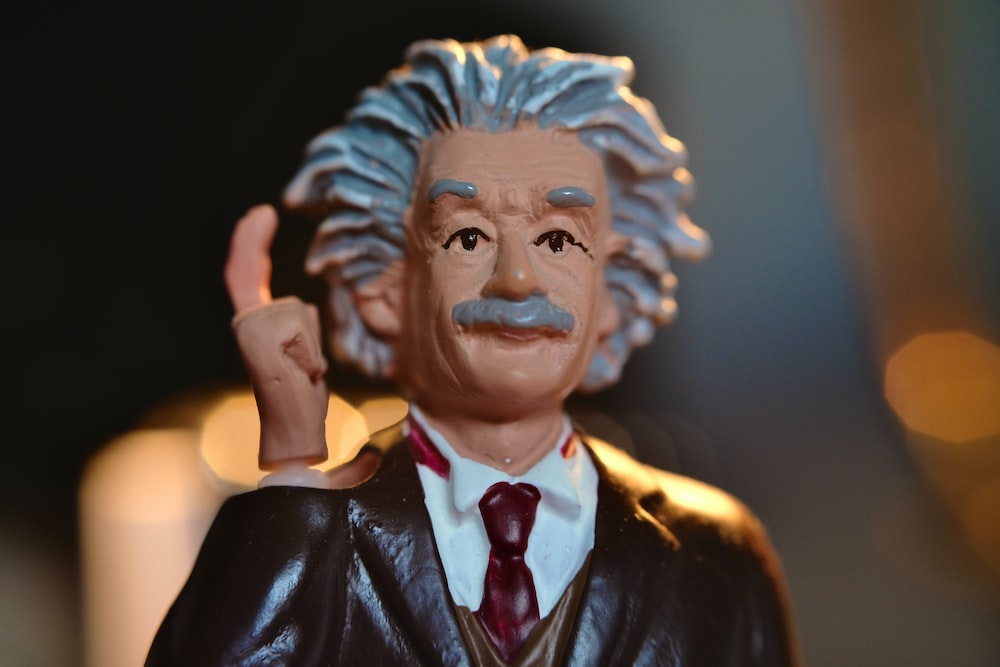
One such individual is Albert Einstein, the renowned physicist who revolutionized our understanding of the universe with his theory of relativity. Einstein exhibited many traits consistent with autism, including intense focus, a preference for solitude, and a unique way of thinking.
Another famous example is Leonardo da Vinci, the polymath of the Renaissance era. Da Vinci's extraordinary artistic talent, combined with his exceptional abilities in science and engineering, make him an iconic figure in human history. Many researchers believe that da Vinci's unconventional thinking and intense interests align with autistic traits.
In the field of music, Wolfgang Amadeus Mozart is often considered to have exhibited characteristics consistent with autism. Mozart's incredible musical talent emerged at a very young age, and he composed masterpieces that continue to awe and inspire generations.
These are just a few examples of the many talented individuals who have left an indelible mark on the world. Their contributions serve as a testament to the immense potential and capabilities of autistic individuals.
By recognizing and embracing the exceptional talents and abilities of autistic individuals, we can create a society that values neurodiversity and celebrates the unique strengths of every individual.
The Genius of Autism
Autism is a neurodevelopmental disorder that is characterized by a unique set of cognitive abilities and strengths. Individuals on the autism spectrum often possess unique cognitive abilities that set them apart and contribute to their exceptional talents and skills.
Unique Cognitive Abilities in Autism
One of the distinctive features of autism is the presence of intense focus and attention to detail. Individuals on the spectrum often exhibit an extraordinary ability to hyperfocus on specific areas of interest or tasks. This intense focus allows them to delve deep into a particular subject and develop an extensive knowledge base.
Moreover, individuals with autism often excel in pattern recognition. They have an innate ability to perceive and identify patterns, whether they are visual, auditory, or even mathematical in nature. This exceptional skill can be observed in various domains, such as music, art, and mathematics.
Enhanced Perceptual Skills and Attention to Detail
Autistic individuals frequently possess enhanced perceptual skills that enable them to detect and process information at a highly detailed level. They may pick up on subtle differences in their environment that others might overlook, noticing intricate patterns, textures, or sounds. This heightened perceptual awareness contributes to their ability to excel in various fields, including art, design, and scientific research.
The attention to detail exhibited by individuals with autism can also manifest in their exceptional memory capabilities. Many autistic individuals possess an extraordinary memory for specific facts or information, allowing them to recall details with remarkable accuracy. This exceptional memory can be particularly advantageous in fields that require recall of vast amounts of information, such as history, literature, or scientific research.
It is important to note that not all individuals with autism possess these specific cognitive abilities to the same degree. Autism is a spectrum disorder, and each individual is unique in their strengths and challenges. Some individuals may display exceptional talents and skills, while others may excel in different areas or face additional cognitive challenges.
By recognizing and nurturing the unique cognitive abilities and strengths of individuals with autism, we can provide them with the support and opportunities they need to thrive. Embracing neurodiversity and celebrating the differences that autism brings can help create a more inclusive and accepting society.
Exploring Areas of Genius
Autistic individuals often display exceptional talents and abilities in various areas, showcasing their unique cognitive strengths. Let's delve into some of the areas where autistic individuals have shown remarkable genius.
Mathematics and Logic
Many autistic individuals exhibit a natural affinity for mathematics and logic. They possess an exceptional ability to understand complex numerical concepts, solve intricate mathematical problems, and notice patterns that may elude others. Their logical thinking and attention to detail allow them to excel in fields such as mathematics, computer science, and engineering.
Autistic individuals with a passion for mathematics can often perform complex calculations mentally, demonstrating an innate numerical fluency. This exceptional talent for numbers has given rise to autistic mathematicians who have made significant contributions to the field.
Music and Art
The realm of music and art has also witnessed the extraordinary talents of autistic individuals. Many autistic individuals possess a heightened sensitivity to sound, allowing them to perceive and appreciate music in ways that may seem extraordinary to others. Some autistic individuals have an innate ability to play musical instruments with exceptional precision or compose intricate melodies.
Similarly, in the world of art, autistic individuals often demonstrate remarkable skills in drawing, painting, and sculpting. Their keen attention to detail and unique visual perception enable them to create stunning works of art. Autistic artists have left an indelible mark on the art world, showcasing their exceptional creativity and talent.
Memory and Pattern Recognition
Autistic individuals frequently exhibit exceptional memory and pattern recognition skills. They can recall vast amounts of information with great accuracy and detail. This ability to retain and process information can be particularly advantageous in fields such as science, history, and literature.
Their heightened pattern recognition skills allow them to notice and identify intricate patterns and connections that might go unnoticed by others. This unique cognitive ability contributes to their problem-solving skills and can be beneficial in various domains, including scientific research and technological advancements.
By exploring these areas of genius, we can gain a deeper appreciation for the exceptional talents and abilities of autistic individuals. It is important to nurture and support their strengths, providing them with opportunities to grow and develop their skills. Embracing their neurodiversity and celebrating their unique perspectives can lead to a more inclusive and understanding society.

Nurturing and Supporting Autistic Geniuses
Recognizing and supporting the unique talents of autistic geniuses is crucial to their growth and development. By providing opportunities for growth and embracing neurodiversity, we can create an environment that celebrates their differences and allows them to thrive.
Providing Opportunities for Growth and Development
To nurture the abilities of autistic geniuses, it is essential to provide them with opportunities for growth and development. This can be done by:
- Tailoring Education: Offering individualized education plans that cater to the specific learning needs and strengths of autistic geniuses. This may involve specialized programs, accommodations, and modifications to the curriculum to optimize their learning experience.
- Encouraging Special Interests: Supporting and encouraging their special interests, which often play a significant role in their genius abilities. By providing resources, mentors, and platforms to explore these interests, we can help them further develop their skills and knowledge.
- Promoting Collaboration: Facilitating collaboration and group work that allows autistic geniuses to work alongside their neurotypical peers. This fosters social interaction, enhances their communication skills, and promotes the exchange of ideas and perspectives.
- Mentorship and Support: Engaging mentors who can provide guidance, support, and encouragement to autistic geniuses. These mentors can be professionals in their field of interest or individuals who have experience working with autistic individuals.
By providing these opportunities for growth and development, we can help autistic geniuses reach their full potential and contribute their unique talents to society.
Embracing Neurodiversity and Celebrating Differences
Embracing neurodiversity is crucial in creating an inclusive and supportive environment for autistic geniuses. This involves:
- Positive Attitudes: Promoting a positive attitude towards autism and challenging negative stereotypes. Recognizing that autism is a neurological difference, not a deficit, allows us to appreciate the strengths and abilities that autistic geniuses possess.
- Creating Accepting Spaces: Creating inclusive spaces where autistic geniuses feel accepted, understood, and valued. This can be achieved by raising awareness and educating others about autism, fostering a culture of empathy and respect, and promoting understanding of the unique challenges and strengths of autistic individuals.
- Providing Resources and Support: Ensuring access to resources, services, and support systems that are specifically designed to meet the needs of autistic geniuses. This may include occupational therapy, speech therapy, counseling, and other interventions tailored to their individual requirements.
- Promoting Advocacy: Encouraging self-advocacy and empowering autistic geniuses to voice their needs, preferences, and goals. This can help create a sense of agency and autonomy, allowing them to actively participate in decisions that affect their lives.
By embracing neurodiversity and celebrating the differences of autistic geniuses, we can create a society that values and supports their unique contributions. It is through this acceptance and support that we can truly unlock the full potential of autistic geniuses and allow them to shine.
Conclusion
In conclusion, autistic people are not only smart, but they also have unique perspectives and talents that can make valuable contributions to society. By recognizing and supporting their intelligence, we can create a more inclusive and accepting world for everyone.
Sources
Get started today
Ready to talk about ABA therapy?
Apex ABA Therapy helps families in North Carolina, Maryland, and Georgia access in-home, school-based, and daycare ABA services.

.jpeg)
